
RMR Metabolic Testing
Measure your resting energy expenditure. Personalize your nutrition. Understand your metabolism.
Resting metabolic rate (RMR) testing uses indirect calorimetry to measure how many calories your body burns at rest. With lab-grade metabolic analysis, we help estimate your true daily energy needs, understand metabolic efficiency, and make smarter nutrition, body composition, and performance decisions.
Key Benefits

Measure Resting Metabolism
Identify how many calories your body burns at rest.

Personalize Nutrition
Set calorie targets using measured data instead of guesswork.
Understand Metabolic Efficiency
See whether your metabolism is lower, expected, or higher than predicted.
Track Progress
Repeat testing over time to monitor change.

Smarter Decisions
Use objective data for fat loss, body recomposition, and performance planning.
What We Measure
Resting Energy Expenditure (RMR/REE)
Your measured calorie burn at rest.

Measured vs Predicted Metabolism
How your metabolism compares with standard estimates.

Respiratory Quotient (RQ)
A snapshot of fat vs carbohydrate use at rest.

Ventilation & Oxygen Use
Core breathing and gas-exchange metrics.
Metabolic Efficiency
Context for nutrition planning and body-composition strategy.
Who It’s For
Fat-Loss Clients
Use measured metabolism to guide calorie deficits more intelligently.
Body Recomposition
Plan nutrition with greater precision.
Performance Clients
Support fueling and recovery with better metabolic data.
Health Optimization
Establish a meaningful baseline for nutrition and lifestyle decisions.
Plateaued Clients
Investigate whether energy needs differ from assumptions.
WHAT TO EXPECT
Step 1

Check In
We review your health history, goals, recent food/caffeine/exercise, and test readiness.
Step 2
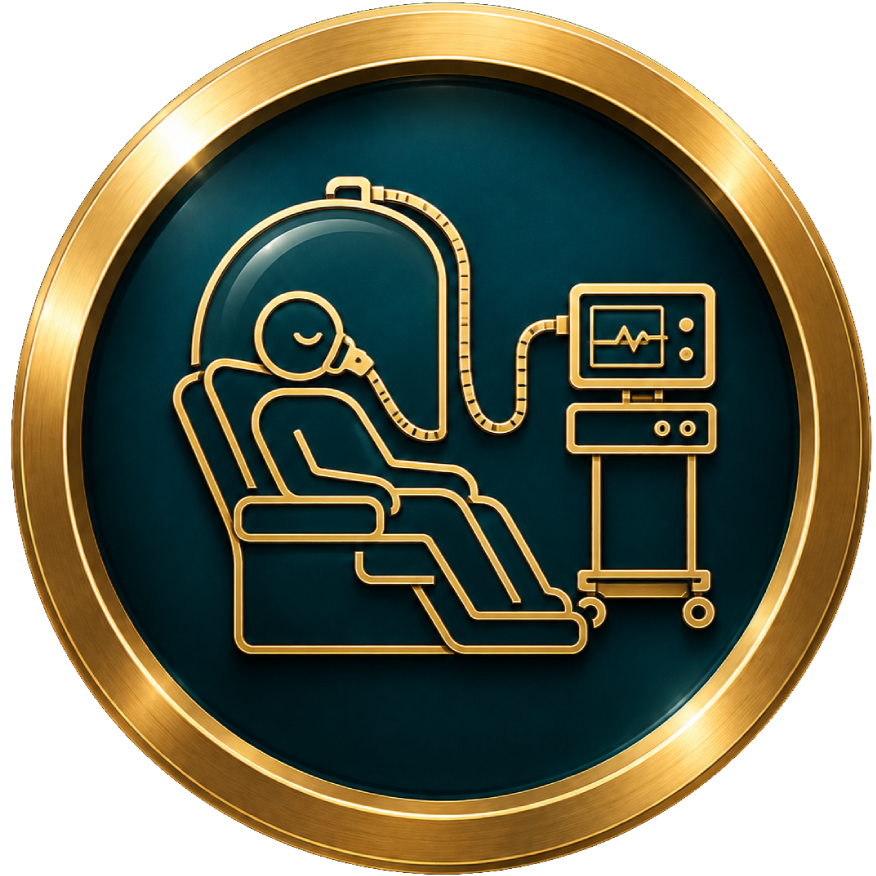
Resting Setup
You relax in a reclined position while the canopy and metabolic analyzer are positioned and calibrated.
Step 3
The Test
You rest quietly while the system measures oxygen use and carbon dioxide output to estimate resting metabolism.
Step 4

Results Review
We review your measured RMR, compare it to predicted values, and explain how to use it for nutrition planning.
Your Results & Insights
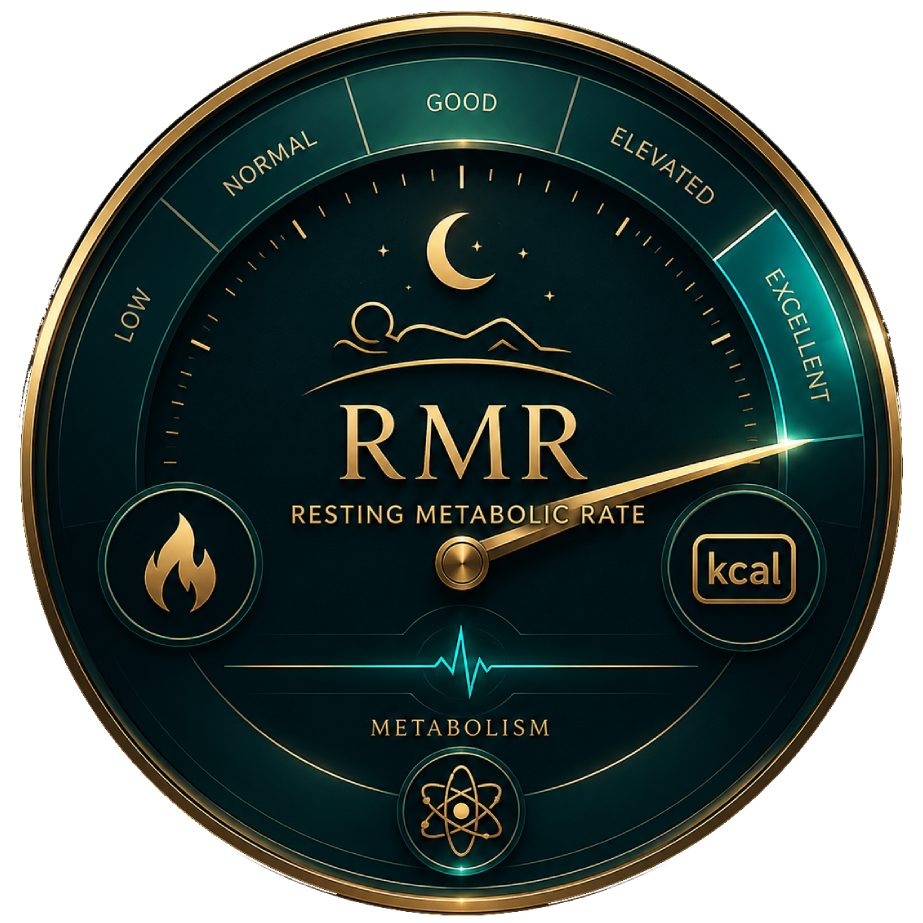
RMR
1,865
kcal/day
Measured
Within Expected Range
You’ll Receive:
- Measured resting calorie expenditure
- Fuel-use context at rest
- Nutrition planning guidance
- Trackable benchmarks for progress
- Metabolic suppression assessment
Why Test With DXABOLICS

Lab-Grade Testing
Clinical-grade metabolic testing equipment and calibrated protocols for accurate results.

Expert Analysis
Interpretation by experienced professionals who turn data into direction.

Actionable Results
Clear guidance from human beings you can use to train, recover, and perform better.

Safe & Supervised
Testing in a clean, supervised, and supportive environment.
How To Prepare

Arrive Rested
Come in well-rested and avoid unnecessary physical stress beforehand.

Avoid Exercise Beforehand
Skip intense workouts for about 24 hours before your test.

Stay Comfortable and Still
Wear comfortable clothing, plan to relax quietly, and restrain from engaging in anything stimulating during the test.

Fast and Avoid Stimulants/CNS Depressants
Avoid caffeine, nicotine, or alcohol beforehand when possible.
Safety & FAQ
RMR testing is non-invasive and safe for most individuals. if you have respiratory concerns or questions about readiness, contact the clinic before scheduling.
Ready to understand your metabolism?
Use objective metabolic data to guide nutrition, body composition, and performance.